The Hunter Font: A Quirky Handwritten Typeface for Makers
I was sitting at my desk late one Tuesday, staring at a blank label template for a new batch of soy candles. I had the scent names picked out—Lavender Drift, Cedar Smoke, Vanilla Bean—but the text felt flat. I tried a standard serif, and it looked too formal. I tried a clean sans serif, and it felt too corporate. What I needed was something that felt like it had been written by hand, with a bit of personality and a touch of whimsy. That is when I opened up The Hunter.
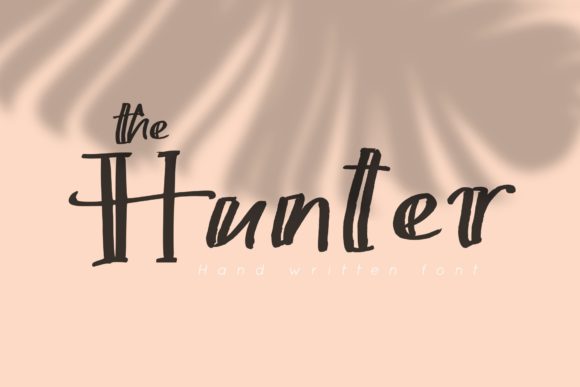
As soon as I typed out "Cedar Smoke," the design clicked. The letters had this authentic, slightly quirky bounce to them. It wasn't perfectly uniform, and that was exactly the point. It looked like I had grabbed a marker and scribbled the name on the jar myself. For makers, handmade sellers, and printable creators, finding a font that bridges the gap between professional polish and human touch is rare. The Hunter, available through Script Amp, manages to do just that. It is not just a set of characters; it is a tool that instantly adds warmth and character to your creative projects.
Bringing Authentic Charm to Product Labels
One of the most immediate uses I found for The Hunter was in packaging design. Whether you are selling handmade soaps, small-batch jams, or artisanal candles, the label is often the first thing a customer sees. In a market saturated with minimalist designs, a handwritten font can make your product stand out in unbelievably cute ways. The irregular strokes and natural flow of this typeface mimic the imperfection of real handwriting, which resonates deeply with buyers who value craftsmanship.
When designing candle labels, I used The Hunter for the scent names and kept the weight and burn instructions in a simple, legible sans serif font. This contrast created a balanced look. The script drew the eye and added emotional appeal, while the secondary text ensured readability. This approach works equally well for boutique tags on clothing, stickers for planners, or seals on bakery boxes. The font’s quirky nature makes it feel personal, as if the maker personally labeled each item. This perceived quality can significantly enhance brand identity, making customers feel a closer connection to the story behind the product.
Elevating Stationery and Wedding Invitations
Beyond physical products, The Hunter shines in the world of stationery and event design. I recently worked on a set of birthday invitations for a friend’s rustic-themed party. Traditional calligraphy fonts can sometimes feel too stiff or overly elegant for a casual gathering. The Hunter offered a relaxed, joyful vibe that fit the theme perfectly. I used it for the guest’s name and the main headline, pairing it with a clean serif font for the date and location details.
This font is also a fantastic choice for wedding welcome boards, seating charts, and menu cards. Its authentic style adds a layer of intimacy to these materials. For printable creators, offering templates that feature The Hunter can be a strong selling point. Customers looking for DIY wedding solutions often seek designs that look high-end but approachable. By incorporating this handwritten font into your digital downloads, you provide users with a design asset that feels custom-made without the custom price tag. Just remember to check the licensing terms to ensure your templates comply with commercial use guidelines.
Perfect for Short Phrases and Display Use
It is important to understand where The Hunter performs best. Like many decorative scripts and handwritten fonts, it is ideal for short phrases, titles, names, and decorative wording. It is a display font at heart. Using it for long paragraphs of text can reduce readability, especially on smaller items like stickers or product labels. I learned this the hard way when I tried to use it for the ingredient list on a soap label. The quirky connections between letters, while charming, became hard to decipher at a small size.
Instead, I reserve The Hunter for impactful moments. Think of phrases like "Handmade with Love," "Thank You," "Happy Birthday," or "Fresh Brewed." On tote bags, mugs, and shirts, these short bursts of text pop beautifully. The font’s unique style ensures that the message is not just read but felt. For Cricut and Silhouette users, this font cuts cleanly, provided you are working with larger sizes. When creating vinyl decals or iron-on transfers, always test cut a sample piece to ensure the thinner strokes hold up well with your specific material and machine settings.
Pairing Tips for Balanced Design
To get the most out of The Hunter, consider how it interacts with other typefaces. Font pairing is an essential skill for any designer, and this quirky script pairs wonderfully with neutral companions. A geometric sans serif font provides a modern, clean counterpoint to the organic shapes of the script. This combination is popular in editorial design and web design because it balances creativity with clarity.
Alternatively, pairing it with a classic serif font can create a more traditional, literary feel, which works well for book covers or vintage-inspired printables. Avoid pairing it with another busy script font, as this can create visual clutter. The goal is to let The Hunter be the star of the show. Use it for the headline or the focal point, and let simpler fonts handle the supporting information. This hierarchy guides the viewer’s eye and ensures your message is communicated effectively.
Technical Considerations for Creators
Before you start designing, take a moment to explore the technical features of the font. Check if The Hunter includes alternates, ligatures, or swashes. These extra glyphs can add variety to your designs, preventing repetitive looks when you use the same letters multiple times. For example, using different versions of the letter "a" or "g" can make a word look more dynamic and natural. Most premium fonts from reputable sources like Script Amp include these features, but it is always good to verify.
Also, pay close attention to file formats. Ensure you have the right files for your workflow. OTF and TTF files are standard for most design software, while web fonts may be needed for digital projects. If you are creating SVG-style designs for cutting machines, you may need to convert the text or use specific software features to maintain the integrity of the handwritten style. Always review the commercial font licensing agreement. Understanding whether you can use the font on physical products, digital downloads, or client logos is crucial for running a compliant and successful handmade business.
In the end, The Hunter is more than just a typeface. It is a versatile design asset that brings authenticity and charm to a wide range of creative projects. From candle labels to wedding invitations, it helps makers express their unique voice. By using it thoughtfully and pairing it with complementary fonts, you can elevate your brand identity and create products that truly resonate with your audience. So, open up your design software, type out a few words, and see how this quirky handwritten font can transform your next creation.